
In today’s fast-paced digital economy, dropshipping stands out as a powerful vehicle for achieving financial independence. This business model empowers everyday individuals—from students and side-hustlers to full-time professionals—to build profitable online stores without the burdens of traditional retail. It allows you to dive deep into the essentials of e-commerce, digital marketing, customer psychology, and consumer behavior, all while operating with remarkably minimal financial risk. You don’t need to invest thousands in inventory, warehouses, or logistics upfront; instead, you focus on what truly drives success: identifying trends, creating compelling offers, and connecting with your audience.
This business model has revolutionized how we think about e-commerce. In this guide, we will break down exactly how you can launch a store from your laptop, even if you have zero experience. We will explore the benefits, the challenges, and the specific steps you need to take to build a profitable brand in 2026.
What Exactly is Dropshipping?
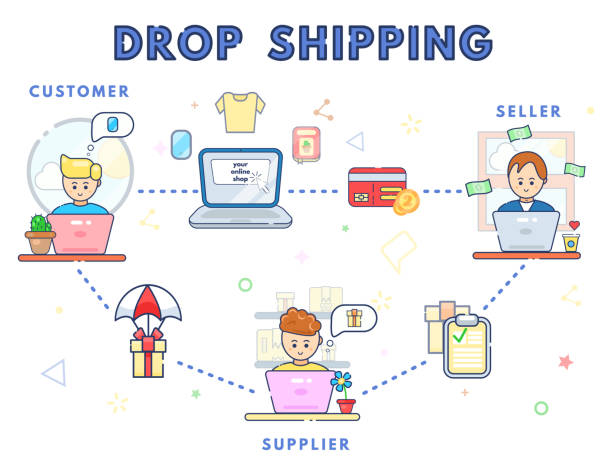
Dropshipping is an e-commerce business model where a seller sells products online without keeping them in stock. Instead of storing inventory, the seller purchases the product from a third-party supplier only after a customer places an order, and the supplier ships the product directly to the customer. For example, if an online store lists a phone case for $20 and a customer buys it, the seller forwards the order to a supplier who charges $12 and delivers the item to the customer. The seller earns the price difference as profit while focusing on marketing, customer service, and brand building rather than inventory management.
Why Dropshipping Is the Best Way to Start an Online Business
Many entrepreneurs start with dropshipping because it lowers the “barrier to entry.” You don’t need a million-dollar investment to get started.In 2026, despite higher competition, dropshipping remains a viable and popular entry point due to e-commerce growth and tools that automate processes. Success depends on niche selection, marketing, and branding, but the low entry barriers continue to make it an excellent starting option for aspiring entrepreneurs. Below are the benefits of dropshipping;
Low Startup Costs
One of the biggest advantages is the minimal initial investment required. Unlike traditional retail, you don’t need to buy inventory upfront or rent warehouse space. You can launch a store with just a few hundred dollars for a domain, hosting, and platform fees (e.g., Shopify). This low financial barrier allows anyone to test business ideas without significant risk.
No Inventory Management
Dropshipping frees you from handling stock, packing, or shipping. Suppliers manage fulfillment, reducing operational headaches. This is perfect for beginners who want to focus on marketing and sales rather than logistics.
Low Risk for Testing Products
You only purchase products after a customer orders and pays, meaning no money tied up in unsold inventory. This enables easy experimentation with different niches and products to find what sells, minimizing financial losses.
Flexibility and Location Independence
Run your business from anywhere with an internet connection. No physical store or warehouse needed. This suits side hustles, digital nomads, or those balancing other commitments.
Easy to Scale
As sales grow, suppliers handle increased orders without you needing to invest in more infrastructure. Scaling is primarily about driving more traffic through marketing, making growth accessible for newcomers.
Quick and Simple Setup
Platforms like Shopify, integrated with dropshipping apps (e.g., Oberlo or AutoDS), allow you to build a professional store in days. Beginners can start selling without advanced technical skills.
How to Pick the Right Products and the Right Suppliers
Picking the right products and the right suppliers is one of the most important steps in building a successful online store. Start by choosing products that solve a clear problem or meet a strong customer need. Look for items with consistent demand, reasonable competition, and good profit margins. Research trends, check customer reviews, and analyze competitors to understand what people are already buying and what improvements you can offer.
Once you have shortlisted products, focus on finding reliable suppliers who can consistently deliver quality. Evaluate suppliers based on product quality, pricing, shipping time, and communication. Order samples whenever possible to verify quality firsthand, and check reviews or ratings from other sellers to reduce risk. A trustworthy supplier helps you avoid delays, poor products, and unhappy customers.
Finally, test before you scale. Start with a small number of products and suppliers, monitor sales performance, customer feedback, and delivery reliability. This approach allows you to refine your product selection and build long-term supplier relationships, setting a strong foundation for sustainable growth.
Using Automation Tools
To make your life easier, use apps that sync your store with suppliers. This prevents you from having to manually enter every customer’s address.
- DSers: DSers is the most popular tool for those using AliExpress. It allows you to process hundreds of orders in seconds and find the best-performing suppliers for your niche.
- Spocket: If you want to offer faster shipping (3-5 days), Spocket connects you with suppliers based in the US and Europe. This is a massive competitive advantage.
Essential Steps to Launch Your Dropshipping Store
Now that you understand the “why,” let’s look at the “how.” Follow these steps to move from an idea to a live website.
Step 1: Market Research and Niche Selection
Don’t be a “general store.” If you sell everything from pet toys to car parts, customers won’t trust you. Instead, pick a specific niche—like “Sustainable Yoga Gear” or “Minimalist Home Office Decor.”
Step 2: Build Your Digital Storefront
Most successful dropshippers use WooCommerce (with WC Booster for added features) or Shopify. Ensure your site looks professional, has clear product descriptions, and is easy to navigate on mobile phones.
Step 3: Create a Marketing Strategy
A store without visitors is just an expensive hobby. You must use active voices in your marketing to grab attention.
- Social Media: Use TikTok and Instagram to show the products in action.
- SEO: Write blog posts (like this one!) to attract people searching for solutions on Google.
- Paid Ads: Use Facebook or Google Ads to get immediate traffic to your best-selling items.
Common Dropshipping Challenges
While dropshipping offers a low-barrier entry into e-commerce, it comes with significant hurdles that can lead to failure if not addressed. As of early 2026, increased competition, evolving consumer expectations, and platform changes have intensified these issues. Many new dropshippers struggle due to outdated strategies, but understanding these common challenges is key to overcoming them.
High Competition and Market Saturation
The dropshipping market has exploded, with millions of stores competing for the same products and audiences. Finding unique niches is harder, and ad costs on platforms like Instagram, Facebook and TikTok have skyrocketed, making it tough for beginners to get profitable traffic quickly.
Unreliable Suppliers
Supplier issues remain one of the biggest pain points: stock outages, poor product quality, slow shipping times (especially from overseas like China), and communication problems. In 2026, unreliable partners can damage your reputation with delayed orders or defective items.
Low Profit Margins
After accounting for product costs, shipping fees, advertising expenses, and platform fees, margins are often slim—typically 10-30%. High ad costs and price competition further erode profits, making it challenging to scale without volume.
Long Shipping Times and Customer Expectations
Consumers now expect fast delivery (e.g., 3-7 days via Amazon Prime standards). Dropshipping from international suppliers often means 2-4 week shipping, leading to higher refund requests and negative reviews.
Handling Returns, Refunds, and Customer Service
You bear the responsibility for customer issues, but suppliers handle returns. This creates complications: coordinating refunds, dealing with lost packages, or managing unhappy customers without direct control over fulfillment.
Dependency on Paid Advertising
Organic traffic is limited for new stores, forcing reliance on paid ads. Algorithm changes, rising costs, and ad account bans (common on Meta) can wipe out a business overnight.
Lack of Branding and Product Control
Products are generic, making it hard to build a loyal brand. Customers often find the same items cheaper directly from suppliers (e.g., AliExpress), leading to abandoned carts or chargebacks.
Legal and Compliance Issues
Trademark infringements, counterfeit risks, customs duties, VAT/tax obligations (especially in Europe), and platform policy violations can result in store shutdowns or legal troubles.
Despite these challenges, dropshipping is far from dead in 2026—successful sellers overcome them by focusing on branding, reliable local suppliers, superior customer service, and niche selection. With the right strategies, it’s still a viable business model, but it requires realistic expectations and hard work beyond the “get-rich-quick” hype.
Conclusion: Taking the First Step
Dropshipping remains one of the most accessible and powerful paths to financial independence in the modern digital era. With global e-commerce projected to soar toward trillions in sales by 2026, the opportunities for savvy entrepreneurs are greater than ever. It equips you with essential skills in marketing, sales, and business operations—all while keeping risks low and allowing location-independent freedom.
Yes, challenges like competition and supplier reliability exist, but they are surmountable with persistence, smart niche selection, strong branding, and reliable tools. Countless success stories prove that ordinary people can build thriving businesses.
In the end, dropshipping isn’t a shortcut to overnight riches—it’s a proven vehicle for real, sustainable growth. The tools, platforms, and knowledge are all at your fingertips right now. The only thing missing is action.